Organic Cot Mattresses in Australia: What Matters

The first time you press down on a cot mattress, it can be surprisingly hard to know what you are actually feeling. One may seem soft and cosy in the showroom, another may feel firm and plain, and the labels can all sound reassuring. But when you are choosing an organic cot mattress Australia parents genuinely feel good about bringing into the nursery, the real questions sit beneath the cover - what it is made from, how it handles airflow, whether it meets firmness expectations, and what your baby is breathing in night after night.
For many Australian families, this is not just another nursery purchase. It is where your baby will spend a huge number of hours in those early months and years. That is why the most comfortable mattress is peace of mind.
Why organic matters in a cot mattress
A cot mattress is different from an adult mattress in one important way - parents are not shopping for plushness or sink-in comfort. They are looking for a sleep surface that supports safer, healthier infant sleep. In practice, that means firmness, breathability and low-tox materials matter far more than marketing phrases.
Conventional cot mattresses often rely on polyurethane foam, synthetic fillers, chemical adhesives and added fire-retardant treatments. Not every parent starts their search knowing the details, but many quickly realise they do not want unnecessary chemical exposure in such a close, everyday sleep environment. Babies have developing bodies, sensitive skin and small airways. If a mattress contains materials that can off-gas or trap heat, that is understandably a concern.
An organic cot mattress offers a different path. Instead of petroleum-based foams and heavily processed components, better-quality organic designs use natural fibres and certified materials chosen for both function and purity. The result can be a mattress that feels simpler, cleaner and more aligned with the kind of home many families are trying to create.
How to assess an organic cot mattress in Australia
The phrase organic cot mattress Australia is searched by parents who want something safer, but the term itself is not always used consistently. Some mattresses may include one natural layer and still market themselves as eco-friendly. Others use stronger certification and clearer material disclosure. That is where a closer look makes all the difference.
Firmness comes first
For infant sleep, firmness is non-negotiable. A cot mattress should provide a stable, supportive sleep surface for a baby, rather than contouring around the body the way an adult mattress might. If a mattress feels overly plush, pillow-like or deeply cushioned, that may sound luxurious, but it is not the priority for a young baby.
Australian parents should pay attention to whether the mattress has been designed to meet local firmness expectations for infant sleep. This matters because standards and sizing can vary between markets. A mattress made for overseas conditions is not always the best fit for an Australian cot or for Australian safety expectations.
Breathability should be built into the materials
Breathability is one of those words that gets used often, but not always explained. In a well-designed cot mattress, breathability comes from the actual structure and materials, not just the outer cover. Natural fibres such as coconut coir, wool and organic cotton can help with airflow and temperature regulation. Natural Dunlop latex, when used appropriately in a firm infant mattress, can also contribute to a more breathable sleep environment than dense synthetic foam.
This is especially relevant in Australian homes, where temperatures can swing from cool winters to very warm summer nights. A mattress that helps manage heat and moisture can support a more comfortable sleep space without relying on synthetic finishes.
Material transparency matters
If a brand cannot clearly tell you what is inside the mattress, that is useful information in itself. Parents shopping in this category are right to expect more than broad terms like natural, green or non-toxic. They should be able to see what the comfort and support layers are made from, whether chemical adhesives are used, and whether the mattress contains polyurethane foam.
The strongest options tend to be straightforward about what they leave out as much as what they include. Excluding polyurethane foams, toxic fire retardants and glues can be just as important as including certified organic cotton or natural fibres.
Certifications are more than nice extras
Certifications help cut through vague eco language, but they only help if you know what they are actually confirming. For parents comparing mattresses, a recognised certification can provide confidence that a material has met a clear standard rather than a brand creating its own definition of clean or safe.
GOTS-certified organic cotton is one example many parents look for because it speaks to both fibre content and processing standards. For wool, latex and other natural components, it is worth checking whether the brand names the certification or testing body rather than making broad claims.
That said, certification is not the whole story. A mattress can have one certified outer fabric while still using less desirable materials internally. The full construction still matters. The best choice is usually a mattress where the certifications support a genuinely thoughtful design, not just a marketable label.
Natural materials and what they actually do
Parents often hear a list of materials and are left wondering what each one contributes. In a premium organic cot mattress, every layer should have a job.
Organic coconut coir is valued for its natural firmness and airflow. It creates a supportive base that does not rely on foam-heavy construction. Natural Dunlop latex can add resilience and durability while maintaining a supportive feel. Australian wool is often used for temperature regulation and moisture management, helping the sleep surface stay more comfortable across seasons. GOTS-certified organic cotton offers a soft, breathable outer layer close to your baby.
When these materials are thoughtfully combined, they can create the balance parents are looking for - firm enough for infant sleep, breathable enough for comfort, and free from many of the chemicals found in mainstream alternatives.
The trade-off between price and peace of mind
Organic cot mattresses usually cost more than entry-level foam mattresses. That is the honest part of the conversation. Natural materials, certification, careful construction and local compliance all come at a price.
But it is also worth looking at value beyond the upfront number. A well-made mattress can last through the cot stage and, depending on the design and your family plans, potentially serve more than one child. More importantly, many parents are not paying only for a mattress. They are paying for clarity about materials, confidence in firmness, and relief from second-guessing what is inside.
It depends on your priorities. If your main concern is finding the cheapest option that fits the cot, the organic category may feel like a stretch. If your focus is creating a lower-tox nursery with carefully chosen essentials, the mattress is often one of the most meaningful places to invest.
Questions worth asking before you buy
A good brand should make it easy to answer practical questions. Does the mattress fit standard Australian cot dimensions properly? Is the cover breathable and removable if needed? Are the materials clearly listed? Has the mattress been designed with infant firmness in mind? Are certifications named specifically rather than hinted at?
You may also want to consider your home environment. In warmer parts of Australia, breathability and moisture control can feel especially important. In smaller nurseries or inner-city homes, low-odour and low-off-gassing materials may be high on your list simply because the sleep space is more enclosed.
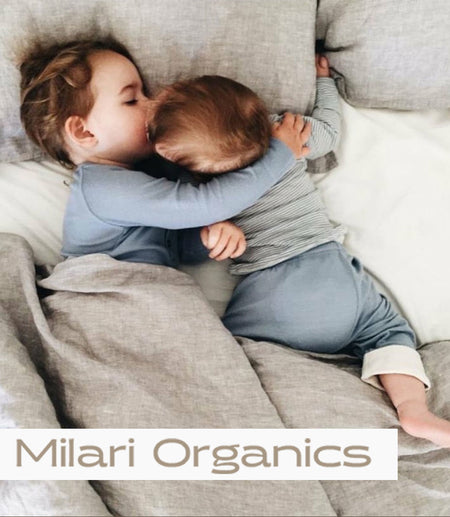
This is where a brand such as Milari Organics stands out for many families. The appeal is not just that the materials sound premium. It is that the whole design philosophy is centred on safer, healthier sleep - with natural components like organic coconut coir, natural Dunlop latex, Australian wool and GOTS-certified organic cotton, while avoiding polyurethane foams, chemical adhesives and toxic fire retardants.
Choosing with confidence
There is no single label that makes a mattress automatically right for every family. Some parents care most about certified organic fibres. Others focus first on breathability or local standards compliance. Most want all of it if they can manage it.
The key is to look past surface-level marketing and ask whether the mattress has been built for how babies actually sleep. A genuinely good organic cot mattress should feel considered from the inside out - firm, breathable, thoughtfully sourced and transparent in its claims.
When you find that balance, the nursery starts to feel different. Not just styled, but settled. And for tired parents standing over the cot at bedtime, that quiet sense of trust is often the thing that matters most.
Explore the Learning Centre


Are Waterproof Cot Protectors Safe for Babies?