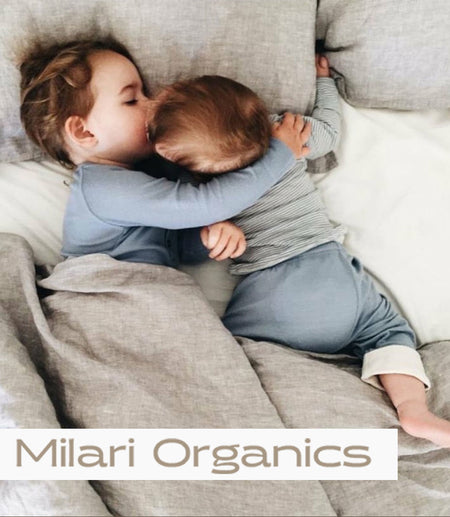
Best Non-Toxic Baby Bedding in Australia

A Parent’s Guide to Creating a Safer Sleep Environment
The first time you wash a brand-new cot sheet and notice a strong chemical smell, it’s hard not to wonder what your baby is sleeping on. For many Australian parents, the search for the best non-toxic baby bedding begins with that simple moment. What starts as buying a few fitted sheets quickly becomes a deeper look at mattresses, protectors, fabrics and certifications.
After all, babies spend up to 16 hours a day sleeping in the early months, making their sleep environment one of the most important places to reduce unnecessary chemical exposure. Creating a healthier nursery doesn’t require replacing everything overnight. It simply means understanding which bedding products matter most, which materials are worth looking for, and how to create a breathable, supportive and lower-tox sleep space from the mattress upwards.
What Does Non-Toxic Baby Bedding Actually Mean?
The phrase non-toxic is widely used throughout the nursery industry, but it isn’t a regulated term. One brand may describe a cotton sheet as non-toxic because it uses safer dyes, while another uses the same phrase to describe an entire organic sleep system made from certified natural materials. For parents, the better question is: What is this product actually made from?
Generally, the best non-toxic baby bedding is designed to minimise unnecessary exposure to materials such as: • polyurethane foam • memory foam • polyester-heavy fabrics • chemical flame retardants • harsh dyes • formaldehyde-based finishes • unnecessary chemical treatments Instead, many parents look for breathable natural materials supported by recognised certifications and transparent manufacturing.
Start With the Mattress, Not the Sheets
One of the biggest misconceptions about non-toxic bedding is believing that organic sheets alone create a healthier sleep space. In reality, the cot mattress is the foundation of your baby’s sleep environment. Even the highest-quality organic cotton sheet sits directly on whatever materials are inside the mattress. If the mattress still relies on polyurethane foam, polyester comfort layers or chemical adhesives, the fitted sheet is only one part of the picture. This is why many parents choose to think about the nursery as a complete sleep system rather than individual products. If you’d like to understand what makes a safer mattress, read HOW TO CHOOSE AN ORGANIC COT MATTRESS.
Choose Breathable Natural Sheets
Once you’ve chosen a quality mattress, fitted sheets become the next priority. Because they sit directly against your baby’s skin for many hours every day, fabrics should be soft, breathable and thoughtfully manufactured. Many Australian parents choose: • GOTS-certified organic cotton • Organic bamboo • TENCEL™ These materials are valued because they can help create a cooler, more comfortable sleep environment while avoiding many of the synthetic finishes commonly found in conventional bedding. Natural fibres also tend to breathe better than polyester-rich fabrics, helping reduce trapped heat and moisture around your baby’s body. To learn more about fabric choices, read ORGANIC COTTON VS CONVENTIONAL COTTON.
Don’t Forget the Mattress Protector
Many parents understandably focus on the mattress and fitted sheet but overlook the mattress protector. A protector sits directly beneath the sheet and can influence both breathability and comfort. Look for protectors that are: • breathable • machine washable • low-tox • free from vinyl where possible A quality protector should help manage everyday accidents without significantly reducing airflow through the mattress.
Material Transparency Matters More Than Marketing
One thing many parents are surprised to learn is that a nursery product can appear beautifully natural while still containing synthetic materials beneath the surface. Words such as: • natural • eco • green • clean are not certifications. They are marketing terms. Instead, look for brands that clearly explain: • every internal material • what has deliberately been excluded • how each component contributes to your baby’s sleep environment Sometimes what has been left out is just as important as what has been included.
Which Certifications Should You Look For?
Certifications help parents compare products using independently assessed standards rather than marketing language. Some of the most respected include: GOTS (Global Organic Textile Standard) Often used for organic cotton sheets, fabrics and textile components. GOLS (Global Organic Latex Standard) Applies to certified organic latex used inside some premium mattresses. OEKO-TEX® Standard 100 Tests finished textiles for a wide range of harmful substances. Each certification looks at something different, which is why it’s important to understand exactly what has been certified. To learn more, read A PARENT’S GUIDE TO MATTRESS CERTIFICATIONS.
Safe Sleep Always Comes First
Natural materials should never replace established safe sleep recommendations. For babies, the safest sleep environment remains: • a firm, flat mattress • a well-fitted sheet • no loose blankets • no quilts • no pillows • no cot bumpers Beautiful organic bedding is only valuable when it supports safe sleep practices appropriate for your baby’s age and stage. If you’d like to understand why firmness matters, read COT MATTRESS FIRMNESS STANDARDS EXPLAINED.
A Simple Buying Checklist
Choosing non-toxic baby bedding becomes much easier when you simplify your priorities. Start by asking: ✓ What materials is it made from? ✓ Are those materials certified? ✓ Does the brand explain every layer? ✓ Is it breathable? ✓ Does it support safe infant sleep? ✓ What chemicals have deliberately been excluded? Transparent brands should answer these questions clearly and confidently.
Where Should You Spend Your Budget?
If you’re building a nursery gradually, you don’t need to replace everything at once. The biggest impact usually comes from prioritising products in this order: 1. Cot mattress 2. Mattress protector 3. Fitted sheets 4. Sleepwear 5. Pillows (only when age appropriate) Since babies spend so much time sleeping, investing in the products they use every single night often provides the greatest long-term value.
Creating a Healthier Sleep Environment
Creating the best non-toxic baby bedding isn’t about achieving perfection. It’s about making informed choices. A breathable mattress made from thoughtfully selected materials, paired with quality fitted sheets, a breathable protector and transparent certifications, can help create a sleep environment that feels cleaner, calmer and healthier. At Milari Organics, we believe safer sleep begins with every layer.
That’s why we carefully select certified organic and natural materials, avoid polyurethane foams and unnecessary chemical flame retardants, and design every product to work together as part of a complete sleep system. Because the most comfortable sleep environment isn’t simply the softest one. It’s the one that lets you tuck your baby in each night with complete peace of mind.
Explore the Learning Centre


Are Waterproof Cot Protectors Safe for Babies?